
Course Duration:2 Years
Course Eligibility:10+2 with minimum 50% marks
Course Average Fees:1 to 4 lakhs
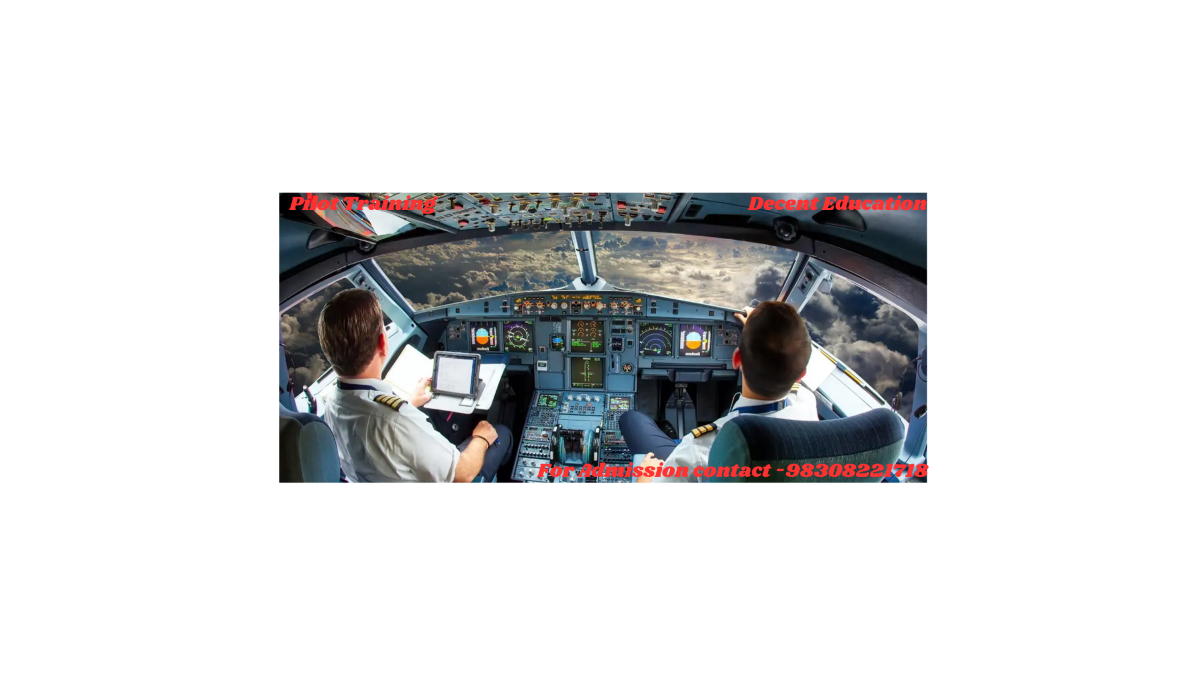
A pilot training course is a three year vocational course which gives you knowledge and practical experience on ground training as well as flying training
Pilot training typically refers to the education and practical experience necessary for an individual to become a licensed pilot. This can include ground school instruction, flight training, and obtaining the required certifications from organizations like the Federal Aviation Administration (FAA) or Civil Aviation Authority (CAA). The length and intensity of pilot training can vary depending on the type of pilot license being sought and the individual's prior experience. Private pilot training, for example, typically involves at least 40 hours of flight time and a written and oral test, while a commercial pilot license requires at least 1,500 hours of flight time and a more comprehensive set of tests.
A pilot training course is a structured program designed to equip individuals with the knowledge, skills, and practical experience necessary to become competent and certified pilots. The specific details of a pilot training course can vary depending on the type of pilot license or certification being pursued (e.g., Private Pilot License, Commercial Pilot License, Airline Transport Pilot License) and the regulations of the aviation authority governing the training.
Studying pilot training can lead to a rewarding career in the aviation industry. With pilot training, you will gain the necessary skills to operate aircraft safely and efficiently. This can lead to job opportunities as a commercial pilot, private pilot, or flight instructor. Additionally, pilot training can be a fulfilling hobby that allows you to explore the world from a unique perspective.
Studying pilot training and pursuing a career as a pilot can be a rewarding and fulfilling choice for individuals who are passionate about aviation and flying. However, like any career, it has both advantages and challenges. Here are some considerations to help you evaluate whether pilot training is a good career option for you:
Passion for Aviation:
Adventure and Travel:
Challenging and Dynamic Work:
Career Progression:
Competitive Salaries:
Global Demand:
High Training Costs:
Rigorous Training Requirements:
Entry-Level Jobs and Hour Building:
Irregular Schedules:
Health and Lifestyle Considerations:
Market Fluctuations:
In pilot training, the scope refers to the range of flight operations and procedures that a pilot is trained to perform. This includes various flight skills, navigational techniques, weather forecasting, emergency procedures, and aircraft systems. The scope of pilot training can vary depending on the type of pilot license or certificate being sought, such as private pilot, commercial pilot, or airline transport pilot. Generally, the scope of pilot training is designed to prepare pilots for safe and efficient flight in a variety of flight environments.
Pilot training offers job opportunities in aviation industry, including commercial and military pilots. Flight schools, airlines, and aviation departments in the military provide pilot training programs. Commercial pilots work for airlines, while military pilots serve in various branches of the military.
In addition to pilots, pilot training also offers opportunities for flight engineers, air traffic controllers, and flight dispatchers. Flight engineers are responsible for the maintenance and safety of aircraft, while air traffic controllers direct the movement of aircraft. Flight dispatchers coordinate and plan flights for airlines.
Pilot trainers, flight instructors, and aviation safety inspectors are also in demand in the aviation industry, particularly in flight schools and aviation departments.
The average salary of a pilot in India can vary widely, typically ranging from approximately ₹10 lakhs to ₹50 lakhs or more annually. Additional incentives can vary between ₹10,000 and ₹9.86 lakhs per year. However, these figures are subject to variation based on factors such as the pilot's experience level, the type of aircraft they operate, and the airline they are employed with. Overall, pilot salaries in India are influenced by multiple factors, making the compensation scale diverse within the aviation industry.
To become a pilot in India, the eligibility criteria include:
Age Requirement:
Educational Qualifications:
Academic Subjects:
Minimum Percentage:
Specific Subjects:
English Proficiency:
There are several entrance exams for Pilot Training, some of them are:
AFCAT, IGRUA, AME CET, AIAEE


The best career course after completing 10+2 (high school) depends on your interests, aptitude, and long-term career goals. Here are some popular options across different fields:









.png)

.png)
