
Course Duration:3 years
Course Eligibility:10+2 with minimum 40% marks
Course Average Fees:INR 45,000 to INR 2.5 Lakhs
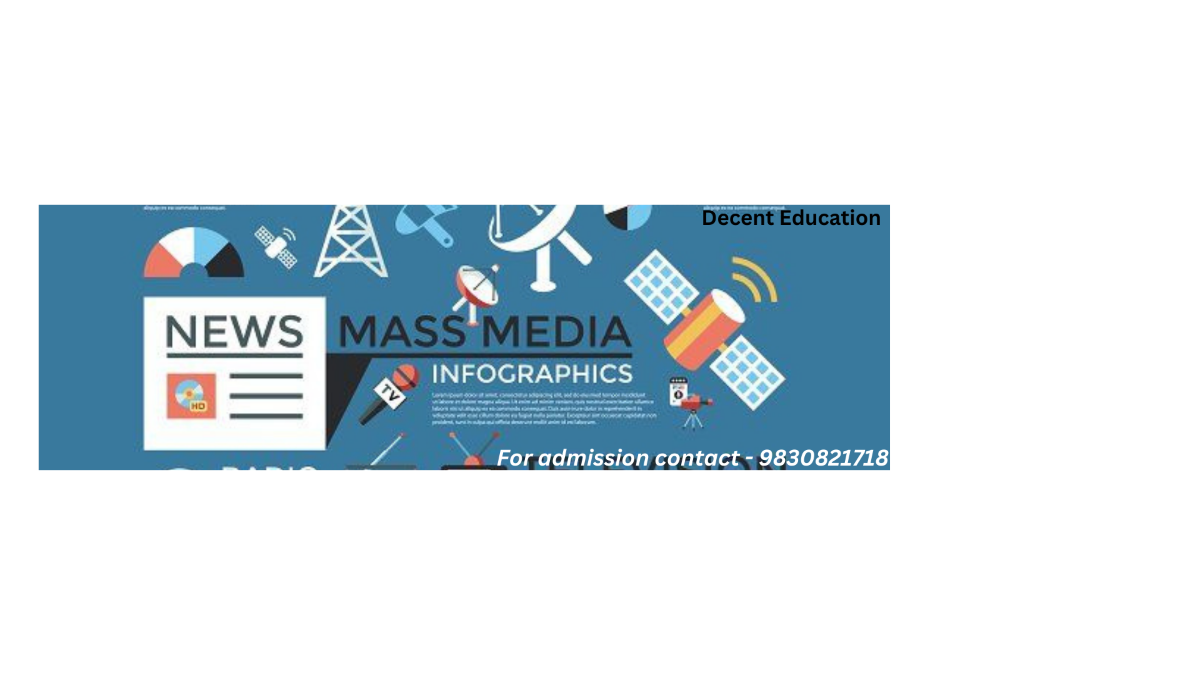
Bachelor of Mass Media is a three year undergraduate course which covers various subjects related to communication through its medium like newspaper, radio, television.
The Bachelor of Mass Media (BMM) is a three-year undergraduate degree program designed to prepare students for diverse careers in the mass media industry. The curriculum encompasses a wide range of subjects related to communication, including news reporting, radio and television broadcasting, print and digital journalism, and public relations. Graduates of this program are equipped to pursue roles as journalists, media producers, or public relations specialists. The comprehensive coursework delves into various mediums such as newspapers, radio, television, and online media, providing students with a well-rounded understanding of mass communication. The focus extends to the creation of multimedia content, ensuring that graduates are adept in navigating the evolving landscape of the media industry.
A Bachelor's degree in Mass Media is an undergraduate program that provides students with a comprehensive understanding of the various aspects of mass communication. This field of study encompasses a wide range of media forms, including print, broadcast, digital, and social media. The program typically combines theoretical knowledge with practical skills to prepare students for careers in journalism, advertising, public relations, broadcasting, and other related fields.
Here's an overview of what you might encounter in a Bachelor's in Mass Media program:
Media Theory and Research: Students learn about the historical development of media, different media theories, and research methods used in the field.
Communication Skills: Emphasis is placed on developing strong written and verbal communication skills, essential for success in media-related professions.
Journalism: This area covers news reporting, feature writing, editing, and ethical considerations in journalism. It may include both print and digital journalism.
Advertising and Public Relations: Students learn about the principles of advertising, marketing communication, and public relations. This includes creating advertising campaigns, understanding target audiences, and managing public relations strategies.
Broadcasting: This includes radio and television production, scriptwriting, video editing, and other skills necessary for creating broadcast content.
Media Ethics and Law: This subject covers the ethical considerations and legal aspects of media, including freedom of speech, defamation, and media regulations.
Digital Media and Social Media: Given the increasing importance of online platforms, students often study digital media strategies, social media management, and multimedia production.
Media Management: This involves understanding the business side of media, including budgeting, marketing, and management strategies.
Internships: Many programs require students to complete internships with media organizations to gain hands-on experience in the industry.
Projects and Portfolios: Students may be required to work on real-world projects or compile a portfolio showcasing their work in different media formats.
Journalism: Print and digital journalism, reporting, editing, and photojournalism.
Advertising: Creating and managing advertising campaigns, copywriting, and market research.
Public Relations: Developing and maintaining positive public images for individuals or organizations.
Broadcasting: Radio and television production, scriptwriting, and on-air hosting.
Digital Media: Content creation for online platforms, social media management, and digital marketing.
Media Management: Managing media organizations, production teams, or media-related projects.
Communication Skills: Written and verbal communication skills are honed through various courses and practical experiences.
Critical Thinking: Analyzing media content critically and understanding its impact on society.
Creativity: Developing creative content for various media platforms.
Media Production Skills: Hands-on skills in writing, editing, filming, and producing content.
Research Skills: Conducting research to support media projects and stories.
Studying for a Bachelor of Mass Media degree can provide various benefits. It can enhance your knowledge and skills in areas such as communication, multimedia, and marketing. This degree can also improve your career prospects in fields like advertising, publishing, public relations, and media production. Additionally, the study of mass media can help you understand society and its communication patterns, provide research skills and analytical thinking abilities. It also opens up opportunities for further studies or specialization in specific areas relevant to the field. Having a Bachelor of Mass Media degree can also demonstrate your commitment to knowledge and excellence, making you an appealing candidate for many employers. Overall, studying a Bachelor of Mass Media can prepare you for a dynamic and fulfilling career and provide you with valuable
Studying for a Bachelor's in Mass Media can indeed be a good career option for individuals who are passionate about media, communication, and storytelling. However, like any career path, it has its pros and cons, and whether it's a "good" option depends on your personal interests, goals, and the specific skills you want to develop. Here are some factors to consider:
Diverse Career Paths: A degree in Mass Media opens doors to a wide range of career options, including journalism, advertising, public relations, broadcasting, digital media, and more. This versatility allows you to explore different aspects of the media industry.
Creativity and Innovation: If you enjoy expressing ideas creatively, telling stories, and staying updated with the latest trends, Mass Media provides a platform for your creativity to thrive.
Dynamic Industry: The media industry is constantly evolving, especially with the rise of digital media. This can make for an exciting and dynamic career where new technologies and trends continually shape the landscape.
Communication Skills: The program helps you develop strong communication skills, both written and verbal, which are valuable in many professions.
Networking Opportunities: Many programs facilitate internships and networking opportunities, allowing you to build connections within the industry.
Competitive Field: The media industry can be highly competitive. Breaking into certain sectors, especially traditional journalism, might require persistence and a strong portfolio.
Uncertain Job Market: Some areas of media, such as traditional print journalism, have faced challenges due to changes in technology and consumer habits. Job stability can vary depending on the specific field.
Digital Overload: The fast-paced nature of digital media can be demanding. Deadlines can be tight, and the pressure to stay constantly connected may not be suitable for everyone.
Varied Income Levels: Salaries in the media industry can vary widely. Entry-level positions may not be as lucrative, and freelancers might face income fluctuations.
The scope of the program can vary depending on the institution and specific curriculum, but it typically includes courses in areas such as journalism, public relations, advertising, media production, radio and television broadcasting, and digital media. Students may also have the opportunity to specialize in a particular area of interest within the mass media field.
A Bachelor of Mass Media degree can open doors to various job opportunities in the media industry, including positions in television, radio, print, online, and social media. Some potential job titles for Bachelor of Mass Media graduates include broadcasting and radio announcer, graphic designer, multimedia artist, content writer, public relations specialist, and advertising manager. These jobs typically involve creating and producing media content, managing social media accounts, or overseeing advertising campaigns.
The average salary for Bachelor of Mass Media graduates can range between 2 to 7 lakhs per year. Salary can increase with exprience based


The best career course after completing 10+2 (high school) depends on your interests, aptitude, and long-term career goals. Here are some popular options across different fields:









.png)

.png)
